
9 Tips for De-Stressing
Stress is a normal human experience but there is an undeniable need to learn methods for de-stressing.
Naturally, stress serves many different purposes but put simply it is the body’s natural response to pressure, change or threat from environments and/or situations we find ourselves in. The hormones that trigger that whole ‘fight of flight reaction come from stress too.
The purpose it serves is clearly to motivate action and ensure survival. This is primal but still quite relevant today.
However, when stress becomes overwhelming and too much to process it is very much a problem. When the hormones are released continuously or unyielding over long periods of time, you find your general wellbeing paying the price.
Rather than motivating survival or action, the unending pressure leaves us unwell and with several potential physical and mental issues to deal with.
I’ve talked about how to recognise these signs, the importance of acting on the signs and the unfortunate situation that leaving my stress unmanaged led to. Now, I would like to share with you some popular tips for managing stress, my 9 Tips for De-Stressing.

#1 Self-Reflection
Taking the time to look at the causes and why you are struggling to manage will allow you to take the right course of action. Write your problems down, think about them and talk through them; be it with a partner, a friend, a doctor/therapist or even a rubber duck.
Taking ownership of the problems, is necessary for addressing them (and thus de-stressing) plus there are many ways to achieve this.
#2 Sleep
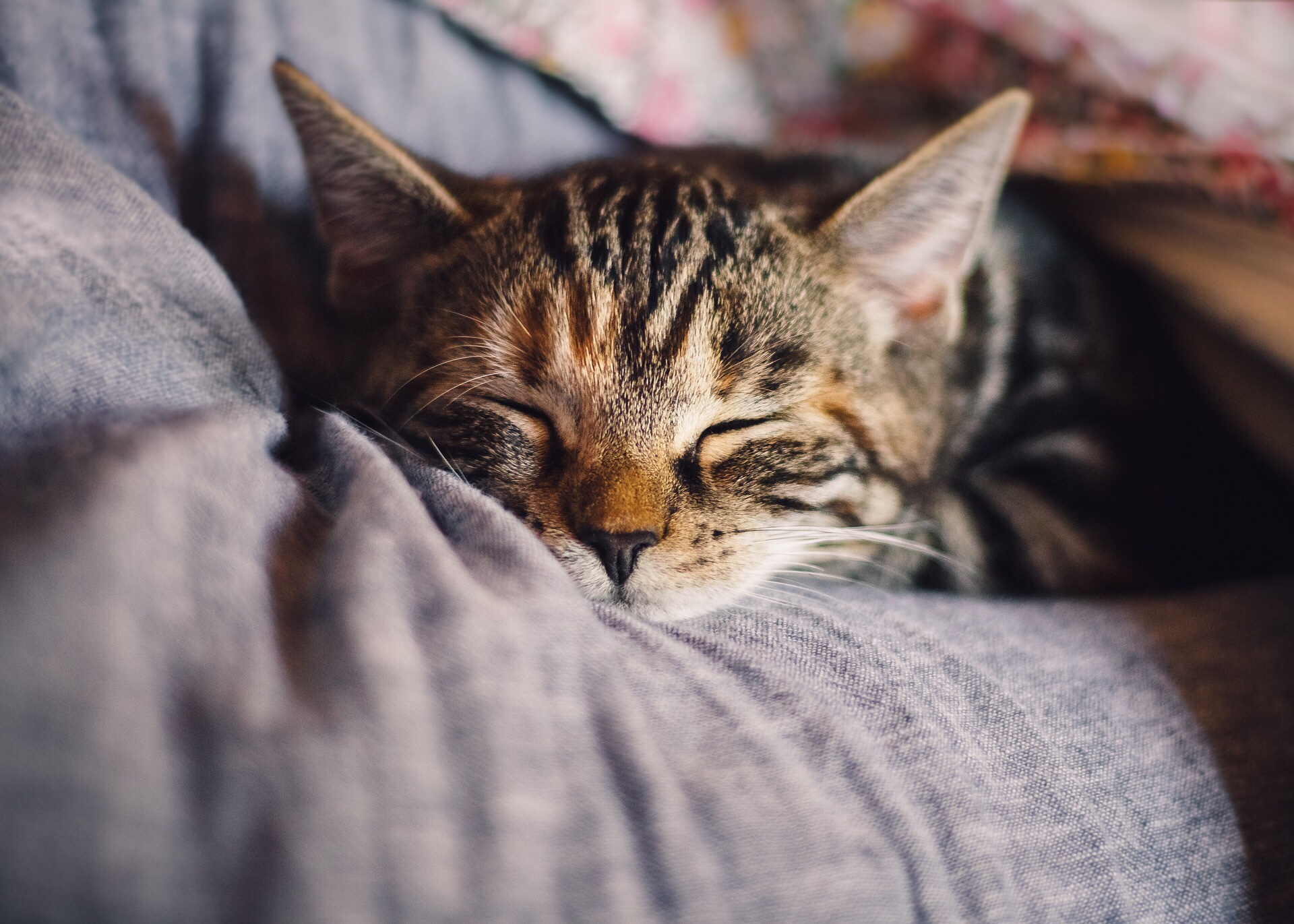
Everything is made worse through sleep deprivation. Everything! This a bit of a catch-22 because stress and anxiety will of course cause you not to sleep, but there are things you can do to help:
- Cut down on your screen time before bed.
- Reduce/ditch the caffeine.
- If you can’t sleep because you have to0 much to do then plan it out before bed.
- Finally, speak to your doctor and see what they can do to help (there is no shame in medication if required).
#3 Exercise
Okay, so I despise it when people say, “you’re feeling down, just go for a run”. It makes me angry. It stresses me out! It’s not useful as it diminishes the reason that you’re anxious or stressed.
However, there are medical reasons why people say this. Regular exercise reduces stress hormones in the body and releases endorphins. It can also improve your sleep (which will reduce stress, see above) and help keep your spirits high and a clear head.
Whilst going for a run isn’t for everyone, there are many forms of physical stress relief, have a think about which might work for you.
#4 Yoga
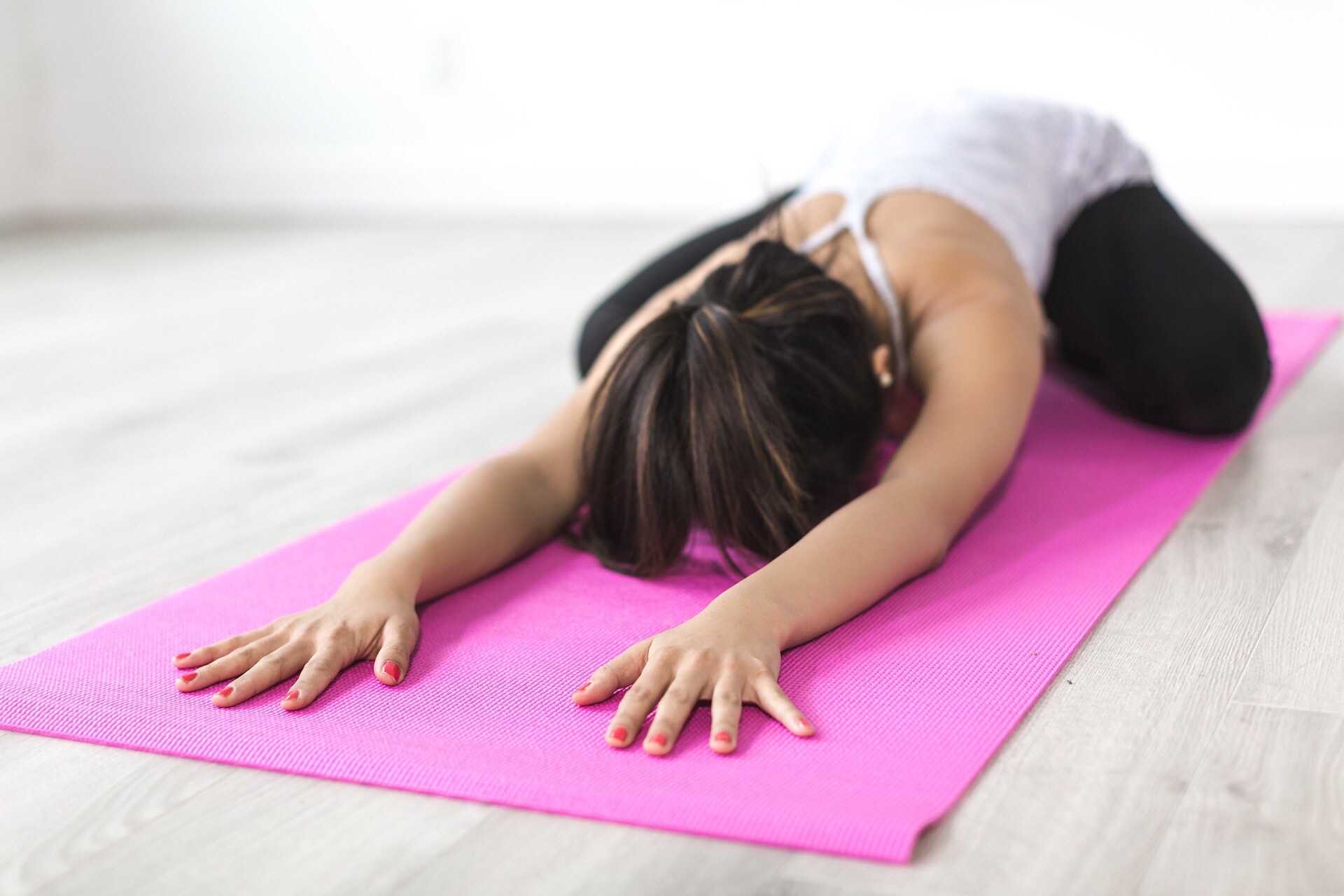
I don’t mean Wii Fit Yoga (dating myself here), I’m talking about joining a class or at least with an instructor.
Do it properly.
Learn the poses and techniques with a professional and find what works for you. Sure, you could do it at home but better to do it properly, right?
Whilst I’ve found yoga is not for me (I’ve found meditation works better for me that bendy-posey-heavy breathing time) there is a reason why worldwide millions turn to its techniques for physical and mental wellbeing.
#5 Laughter is the Best Medicine
A friend and I have been meaning to get out to a comedy club for a few months now but haven’t been able to find the right opportunity.
When we genuinely laugh; be it with friends, at live comedy or a show on TV – it has a profoundly positive effect on our wellbeing.
#6 Intimacy

So, yeah – this is a family-friendly blog, so, erm… let’s focus on hugging but I’ll assume that you can infer an option combining exercise and intimacy… if you so wish.
Much like chimps, humans get a release of oxytocin which helps lower cortisol levels when we snuggle together (I do actually mean cuddling) and this naturally lowers stress, lowers blood pressure and stabilises your heart rate.
Interacting with your pet (again, just the cuddling) also has this same effect.
#7 Meditation and Breathing
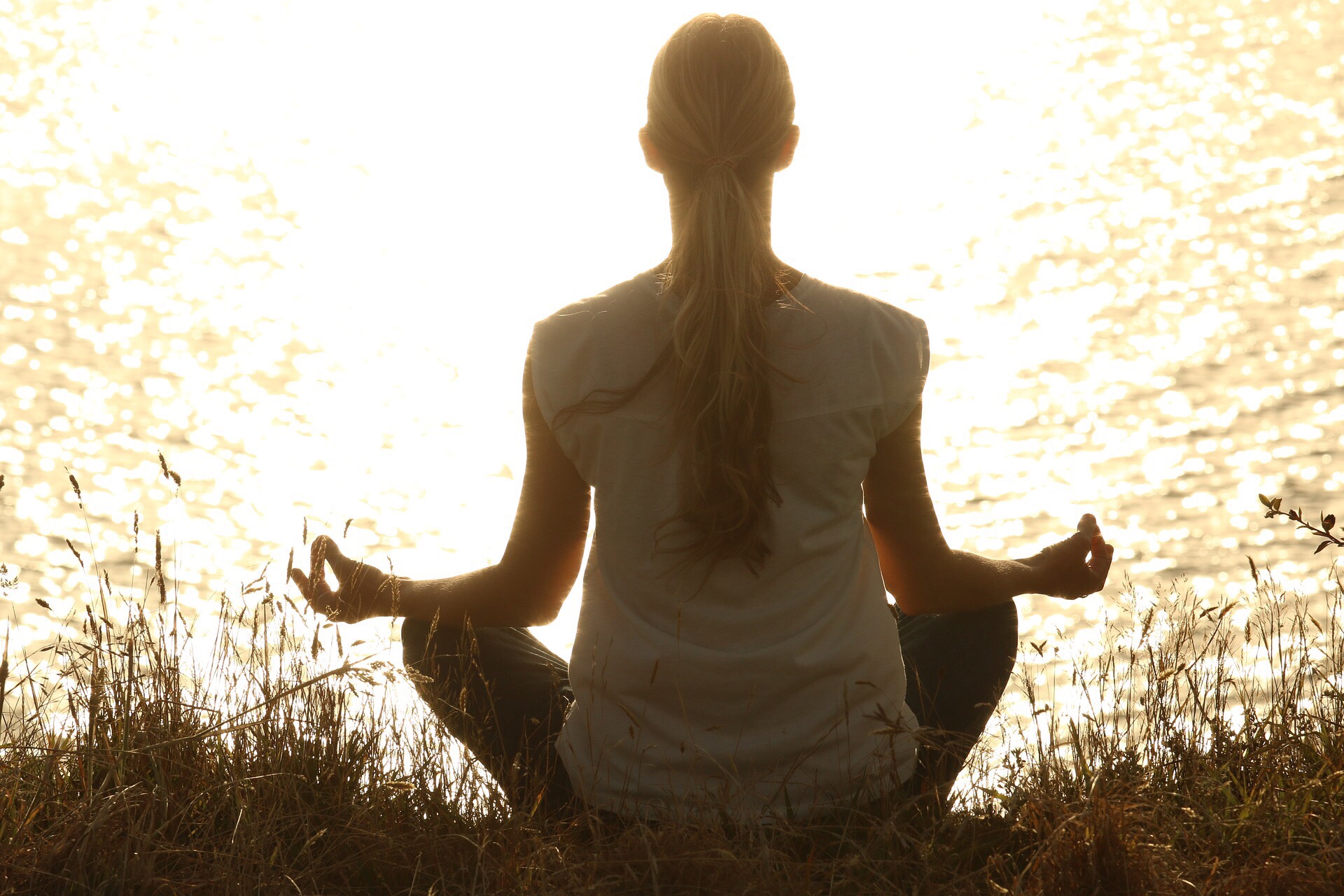
Taking a moment (or several) to meditate on a situation or to take deep breaths calms your body and mind and makes you more capable of processing and dealing with the situation you are in.
There is a wide array of techniques out there and I don’t have any particular favourites to recommend. I would suggest doing a quick Google search or speaking to your GP (who might have advice or local groups to recommend).
#8 Relax
Take a bath, read a book, play a game or whatever it is that helps you calm down when things get too much.
Take time to yourself or make time to go out with friends.
Whatever works for you!
#9 …and If These Tips for De-Stressing Aren’t Working?
It’s time to look for more serious help, go see your doctor, explain your situation and see what they can do to help initiate your recovery.
We all need a little help sometimes and that’s OK.
The Busy Papa

Also known as Aaron, The Busy Papa focuses on lifestyle, parenting and personal wellbeing content. He has two decades experience in creative writing (including several published poems) and strongly dislikes (though tolerates) tomatoes.
2 thoughts on “9 Tips for De-Stressing”