

5 Ways You Can Help Hedgehogs Thrive
It’s no secret that the hedgehog population is in decline. Agricultural progress has devastated their natural habitats, leaving fewer places for the to settle down and hibernate. Equally, urbanisation as well as the use of toxic chemicals in their natural nesting places has left their food sources scarcer than ever before. Sadly, the sort of ‘improvements’ popular to gardens, such as ponds, paving and complete fencing also guides them from safe spaces into more hazardous locations (like roads). As always, humanity’s convenience comes at a cost to the natural world. The need to take action has never been greater though, as a report confirmed recently that a quarter of mammals native to the UK are now at risk of extinction. But, how can you help hedgehogs thrive in these difficult times?
Easy Access
Small gaps in fences and gates allow the miniature mammals to move about different garden spaces. This is important as it allows hedgehogs to find mates (as well as new sources of food).
The reason why little holes are more helpful than open spaces are they allow the curious explorers to roam about, get what they need, but also to retreat quickly into shelter. Enclosed with simple access points is the way to go.
Hedgehog Proof Your Pond
If looking to attract wildlife to your garden, a pond is a top way to achieve that. Generally, life loves water. Hedgehogs are no different, as they will be attracted to the prospect of food and drink.
The thing is, over-ambitious or unlucky critters could find themselves falling in, and whilst hedgehogs can swim, they easily over-exert themselves and often struggle to climb back out again. Especially, if the edges of the water feature are steep.
Ways around this dilemma are sloping sides, pebble beaches or a log ramp they can climb on.

Avoid Nasty Chemicals
I think most people know that chemical based solutions to weeds and bugs have incredibly detrimental and risky effects. There is a bit of a catch-22 here though.
You see, these dangerous tools hurt other animals that naturally keep the population of slugs, snails, and other bugs down. An eco-system means that all these aspects work in tandem and that is what we should strive for.
Slug pellets are especially harmful to hedgehogs and should always be avoided.
Foster a Healthy Habitat
Aside from being stung by nettles (mainly for sensory reasons), I love a natural overgrown garden. So do hedgehogs. Let those weeds grow wild as it provides much needed sources of shelter and food for our spiky little pals.
If you want to go a dew steps further; consider also building a log pile as well as putting out water bowls around your garden. The more the better, and as the wood degrades over time, remember to keep replenishing the pile if you can.

Check Before Strimming
It’s a sad thought but a lot of nesting animals get hurt when people head out into the garden for maintenance work. Strimmers are especially bad, especially with hedgehogs, as unlike a lot of wildlife, they don’t retreat when they hear the loud noises. Always manually check large patches of grass, weeds or hedges thoroughly before starting work and postpone if you find a hedgehog nested there.
The Busy Papa

Also known as Aaron, The Busy Papa focuses on lifestyle, parenting and personal wellbeing content. He has two decades experience in creative writing (including several published poems) and strongly dislikes (though tolerates) tomatoes.
A very interesting piece. Thank you for highlighting the plight of the hedgehogs x
What useful tips! This year we are allowing our garden to go a bit “wilder” – we’ve barely mowed the lawn at all to allow for wildflowers and clover that the bees seem to like. We’re also experimenting with a small pond which the frogs seem to like and have got a ramp for easy access.
Loveto keep our little friends happy – thanks for your tips
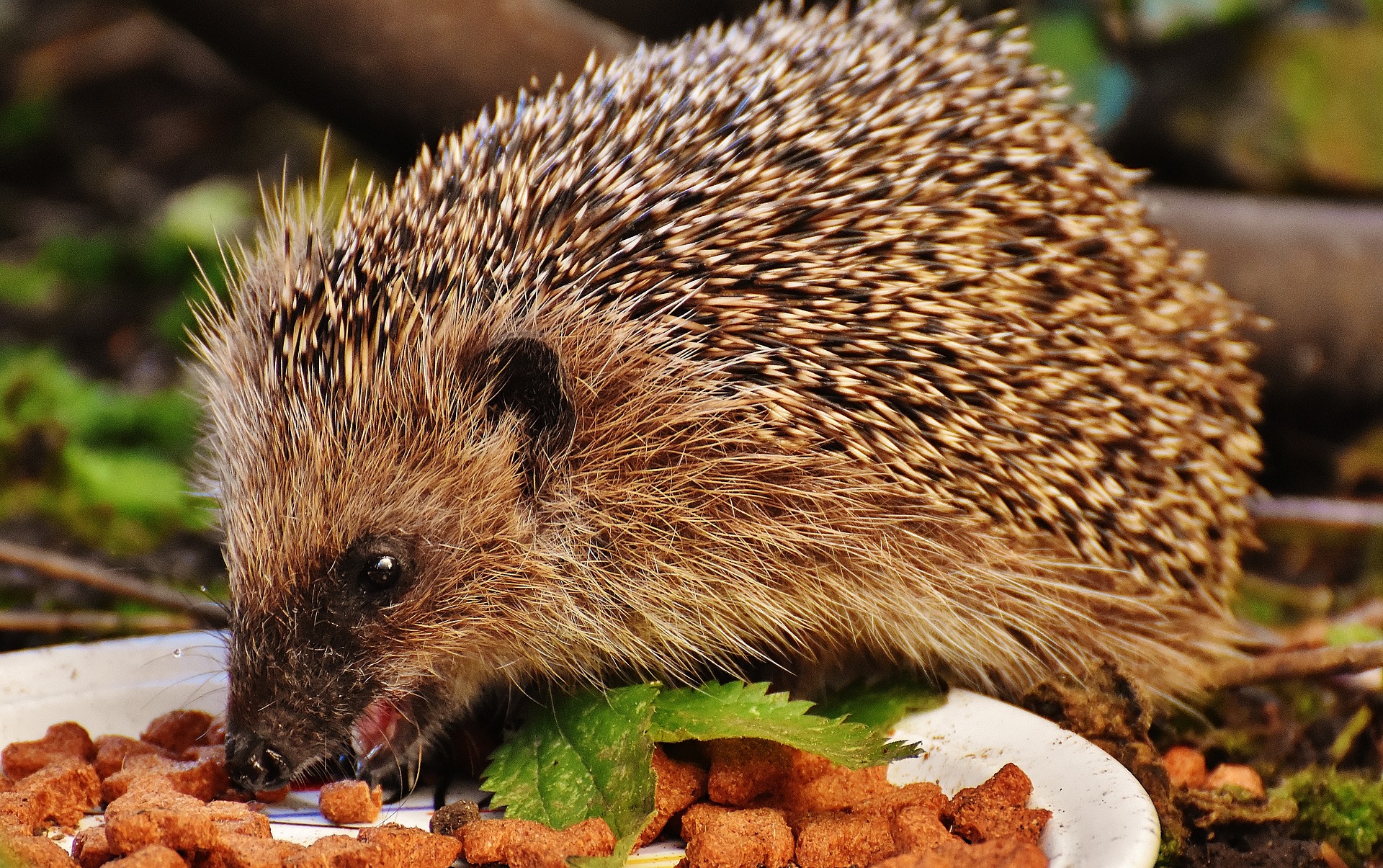
Useful tips – lovely hedgehog photo too!
Great post, I feel terrible because I didn’t know slug pellets are harmful to hedgehogs and I’ve been known to use them from time to time to keep the slugs from eating my cabbages and kale. I’ll be thinking twice before I put any down in future.
I have not seen a hedgehog for many years. But thanks for the tips.
You’re welcome, hedgehogs are awesome.