

Why Recycling Isn’t Always the Answer
Landfill is bad! If there was one take away from 2019’s Zero Waste Week, this should have been it. However, this that’s no secret. Recycling isn’t the immediate alternative though. When we look at our waste, we should be looking to refuse, reuse and reduce before recycling; but why is that? Why isn’t recycling always the answer?
Household Awareness

When it comes to plastic; the average person is riddled with confusion and insecurity when it comes to what can and cannot be recycled. The labelling isn’t clear and the rules as to what goes where (and what can be included or cannot) are baffling. Anecdotally, I can say that this varies from town-to-town and county-to-county across the UK too. Only adding to the overall quagmire.
Such uncertainty can lead to a couple of potentially problematic scenarios. The first is, items being put into bins that could jeopardise the recycling process. The second is recyclable items going to landfill out of fear of the first scenario happening.
What’s more is that there’s no awareness that recycling facilities missing from home collection sometimes exist at commonly visited locations such as supermarkets.
Facilities and Funding

A report conducted in 2019 as a collaboration between Central Saint Martin’s College and DS Smith confirmed suspicions that the UK will struggle to meet its 2035 recycling targets. The goal is to reach 65% in that time which is inline with the EU’s CEP (the government has stated that this goal remains intact, despite the Brexit debacle).
In reality, it’s looking like we won’t meet these goals by at least a decade but why?
One reason given was the aforementioned consumer confusion but ultimately the core problem sits with funding, resources and infrastructure. Councils have had budgets cut and that has led to waste being dealt with in cheaper and less eco-friendly ways. This also means that awareness campaigns aren’t going ahead full swing and that there isn’t the money to build more facilities or transport to other locations.
In short, there isn’t the budget for a recycling system in the UK that meets our needs.
Materials and Manufacturing
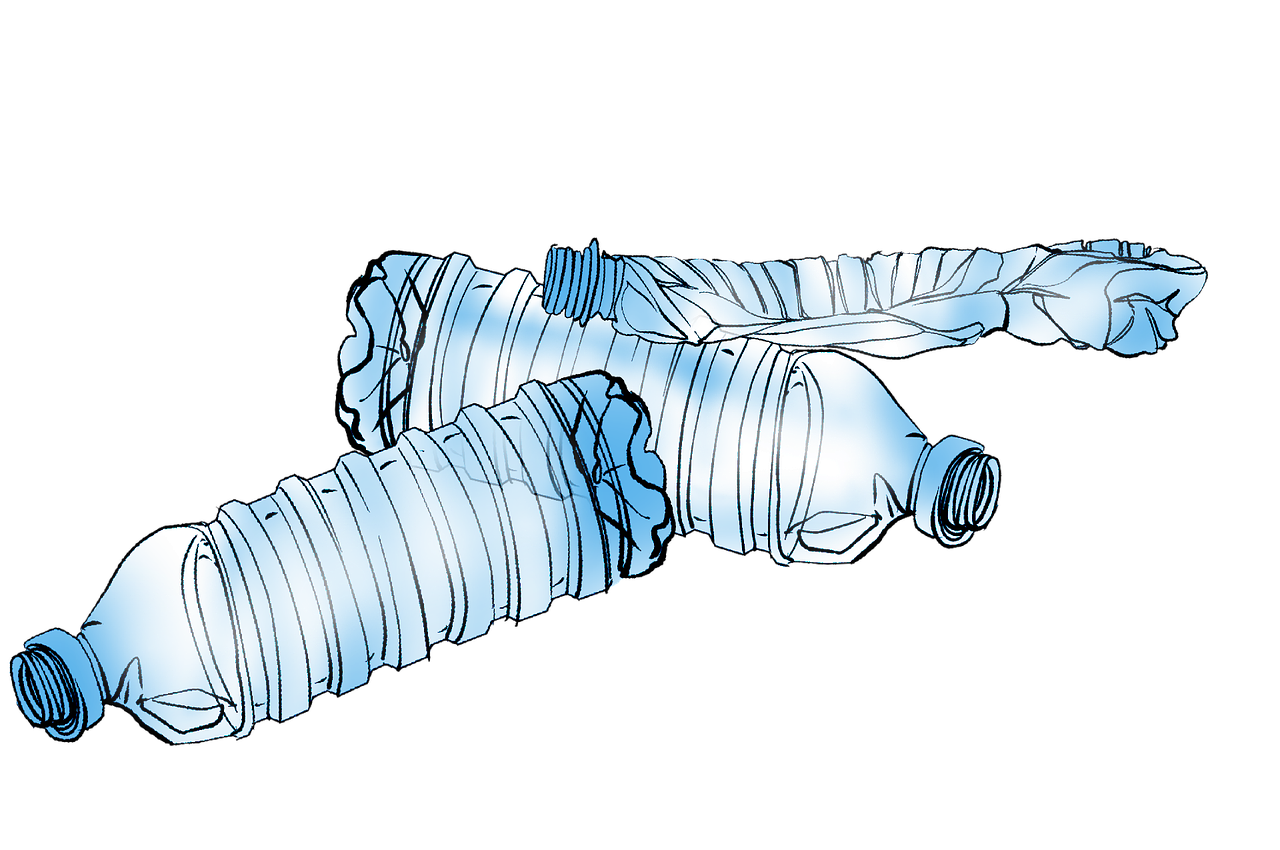 When it comes to sustainable and ethical living, there is a lot of debate as to whether there is much point in tackling the issue at a household level when the corporate component is causing so many problems. In terms of recycling and plastics, businesses could certainly be supplying consumers with better options. Unnecessary amounts of packaging, those awkward hybrid materials and the infamous black plastics all spring to mind. In more cases than not, there are other alternatives they could use. The point is; if these problems were solved at a manufacturing and materials level, it would put less strain on the individual and the strained recycling system.
Inefficiency

When you recycle certain plastic bottles, that does not become another plastic bottle. In fact, only a small percentage of the materials from that bottle are recycled and what actually happens is that the parts that are recycled end up introduced to new virgin plastics. This is better than it all going to landfill but ultimately, more plastic still enters the consumer chain.
Not everything is 100% recyclable and some materials degrade as you do, meaning they can only be recycled a certain number of times (sometimes that number is once).
Recycling Isn’t the Answer… Except When it Is
We cannot recycle our way out of the climate crisis. Not in the UK, not anywhere else.
This does not mean we should stop recycling though, sending to landfill is much more damaging but we shouldn’t be in denial either.
Being mindful about the R’s, this is critically important. When we refuse an item into our homes, we don’t have to worry about how we recycle it. If plastics find their way into our hands and we reuse them, then the wastefulness is reduced. Recycling is excellent in theory but it costs resources and taxes an already strained system. It is preferable to landfill but it should never be your first choice when it comes to plastics especially.
The Busy Papa

Also known as Aaron, The Busy Papa focuses on lifestyle, parenting and personal wellbeing content. He has two decades experience in creative writing (including several published poems) and strongly dislikes (though tolerates) tomatoes.
2 thoughts on “Why Recycling Isn’t Always the Answer”