

Ways To Attract Wildlife to Your Garden
One of the messages that Garden Wildlife Week are keen to promote is that our gardens are an interconnected and delicate ecosystem that supports and encourages the healthy encouragement of wildlife in the UK. With an estimated 24 million gardens in Britain I have no doubt that the way they are tended to can do just that. Given that hedgehogs, stag beetles and bats are all suffering for modern development; there has never been a better time to make our outdoor spaces a safe haven for the natural species roaming our green places. Here are my tips to attract wildlife to your garden.
Grow or Plant Trees and Hedges
The Wildlife Trusts recommends native shrubs and trees like hawthorn, field maple, blackthorn, hornbeam, and holly as mixtures. Ivy is a recommendation for nesting birds which also flowers providing nesting for bugs (in turn encouraging more birds). The Trust also suggests rambling plants like bramble, wild rose and honeysuckle through the hedging as it provides natural sources of food and shelter.
If you’d like to encourage a safe place for bats to hang out (see what I did there) then willow, oak, beech and ash are all solid choices. Especially if there are cracks and crevices. Another option is willow. Of course, any tree will encourage birds, squirrels, and bugs too.
Ramp Up your Flower Power
Bees and butterflies love patches of wildflowers; given that some of these species are in decline and that pollination is vital to our natural environment, you can do a lot of good and attract a lot of wildlife by selecting the right flowers.
Some flower and plant choices you might want to consider are Foxgloves, Chives, Scabious, Catmint, Mint, Primrose, Wild Thyme, Red Clover or Dog violet.
Grow Don’t Show
Whilst people like to take pride in their gardens, there is something to be said for rocking a wild garden. Letting things go a bit and leaving parts of (or all of) the garden unmown allows a perfect breeding habitat for birds, bugs and mammals alike.
Bird Boxes and Bird Feeders
Nesting boxes allow birds to find shelter and encourage breeding. Feeders tend to be an excellent way of observing our feathered friends and helping them out at the same time.
Access to Water
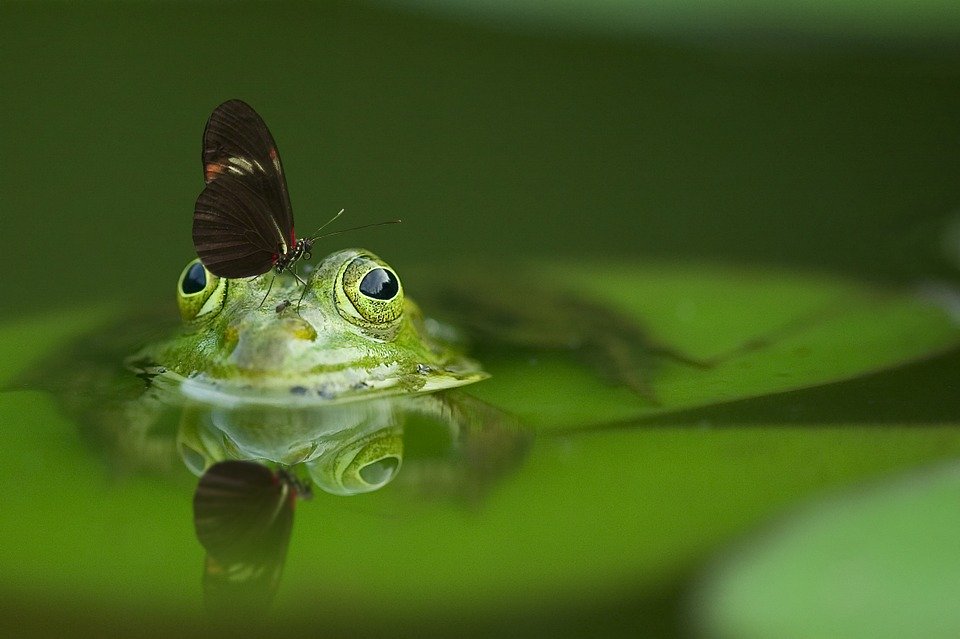
Be it a pond, a feature, a birdbath or just a bowl; one of the universal truths of life is that it needs water. If you provide, you’re bound to have some visitors whilst also helping the natural world around you thrive.
A pond is also a fantastic way of attracting frogs, dragonflies as well as a wide range of other insect species.
Composting
Compost heaps are good for the environment as they help reduce household waste. However, they also attract a wide variety of bugs including woodlice, spiders and worms. This is turn attracts other creatures keen to get acquainted with these critters.
Throw A Little Wood in the Mix
As winter comes into play, many species need a place to lay low. Woodpiles allow a number of species (especially bugs) to hibernate or rest from predators. They can also attract creatures like newts, toads and frogs. Generally, a place that gets a good combination of sunshine and shade works best.
The Busy Papa

Also known as Aaron, The Busy Papa focuses on lifestyle, parenting and personal wellbeing content. He has two decades experience in creative writing (including several published poems) and strongly dislikes (though tolerates) tomatoes.
Good tips – we have just made changes to our garden and can see more wildlife appearing!
Excellent – so much inspiration for me too