
What Are Microbeads (and Why You Should Care)
What Are Microbeads?
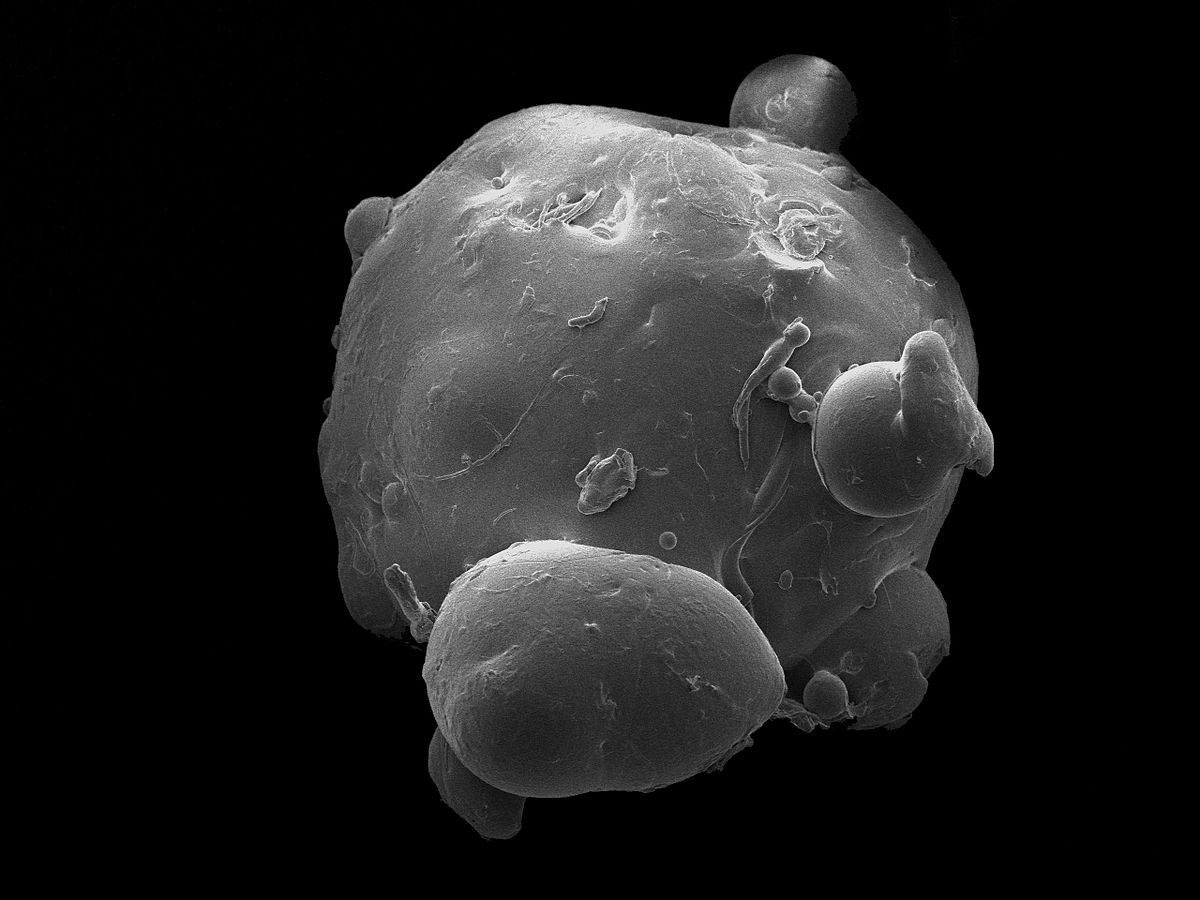 Depending on who you ask, the answer you get might differ. Microbeads are tiny manufactured pieces of plastic. Numerous cosmetic and hygiene products frequently use microbead ingredients. The cosmetic industry uses the term microbeads primarily in reference to Polyethylene; this can be misleading.The more widely accepted usage (thanks to awareness campaigns and recent scientific studies) however; is for all ‘microplastic ingredients in cosmetics that become marine waste’. Meaning, It is safe to say that the term applies to a wide variety of micro plastic components including; Nylon, Polyethylene, Polypropylene, Polyethylene terephthalate, Polytetrafluoroethylene and Polymethyl methacrylate.Microbead as a term is continuously having the definition redefined and expanded upon. A fact confirmed by the awareness group; Beat the Microbead who sum it up thusly:
This definition continues to evolve in accordance with ongoing relevant scientific research. Cosmetic industry often limits the definition to plastic particles of a certain function, for example to scrub/peel with.
Are They Poisonous?
No (but)
Microplastics are safe to sell which means (in theory) as they’re not dangerous or toxic unless clearly stated. The cosmetics industry states quite clearly that their researchers have confirmed they are not.There are some concerns regarding nanoplastics used in some products. These ingredients and components are the subject of much discussion and research, however. This is because the long and short term effects are still unknown.When microplastics definitively become dangerous; is after they’ve passed through our water treatment systems. Water treatment often fails to filter out these plastics and into the ocean they go.
Of course we’re not the only ones this affects…
The microplastic particles are like little sponges absorbing all manner of toxic chemicals and waste on its journey. They’re then eaten by marine life and ultimately end up getting eaten by us.What’s more is they aren’t biodegradable. Greenpeace are referring to this as a “toxic time bomb” and it isn’t hard to see why.
How Bad is the Problem
 The UK parliament’s audit committee; estimated that a single shower can result in around 100,000 plastic particles finding their way into the ocean.A study in 2015 indicated that roughly 800 trillion microbeads go down US drains every day; of which several trillion find their way into open water.Many countries have banned or are banning microbeads, the first being the Netherlands back in 2014. The UK didn’t until 2018 which means many products are still out there at the time of writing.Whilst the overall consequences of microplastic pollution are not known; which is true of the long term effects on our health (spoilers: it ain’t gonna be good) and environmentally. This is a serious global environmental crises, as confirmed by numerous scientific and ecological enquiries.Microplastics (including microbeads produced by the cosmetic industry) are decimating marine life all across the ocean.Microplastic pollution is not exclusively beauty and hygiene products, however!
Plastic Fragmentation
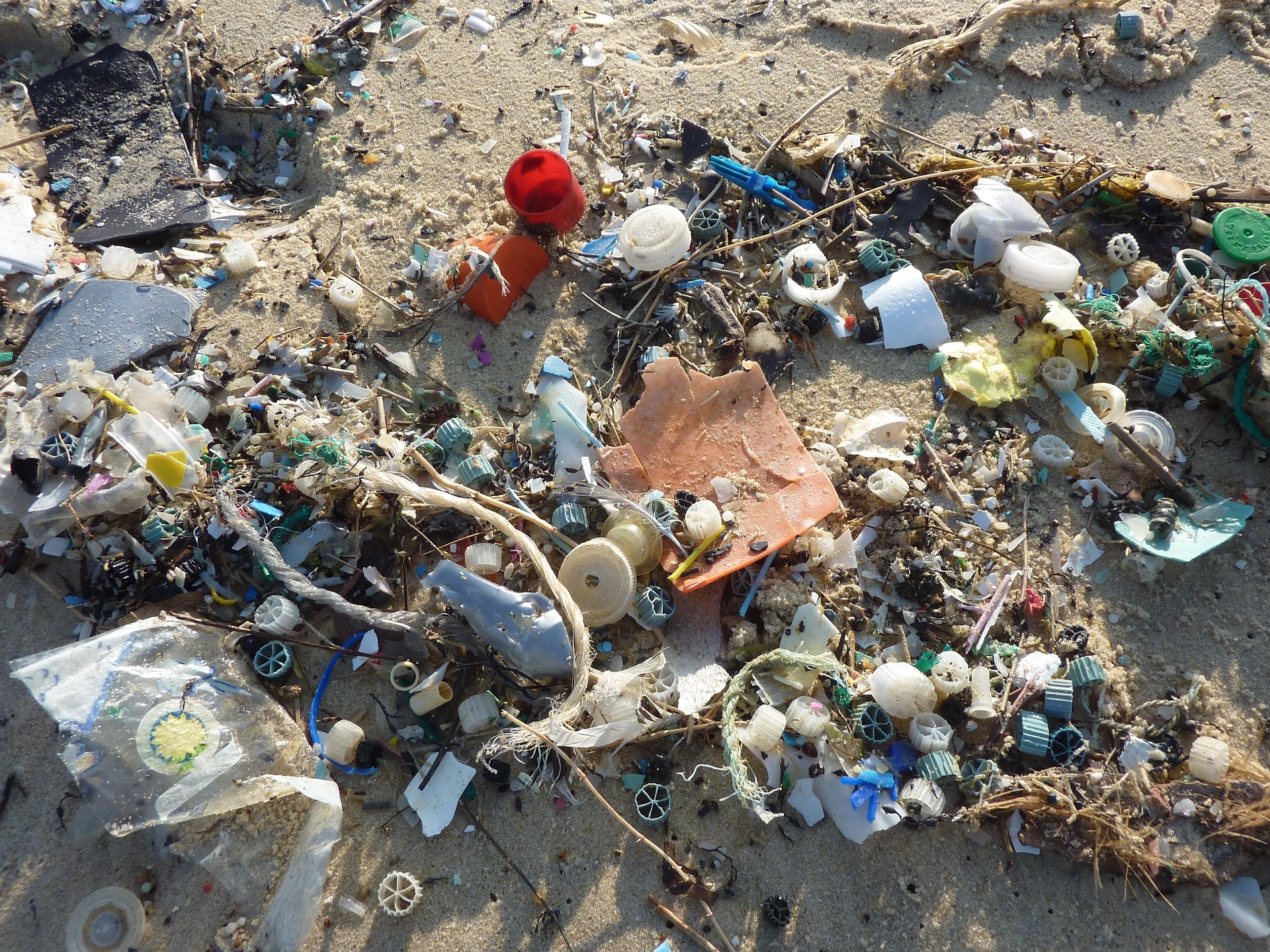 In actual fact; the majority of microplastics in our seas are the result of the breaking down of larger plastic. Unlike microbeads, these microplastics are not manufactured pieces of plastic, however. Instead, they’re existing plastic breaking down into smaller, non-bio-degradable bits that cause great harm to the wildlife that find it.This is a much larger problem and in terms of mass and damage; it’s certainly the more emergent threat. However, microbeads add to this and over time will only cause more and more irrevocable damage.Much like plastic straws, microbead bans have been a good first step on a very long time-sensitive journey.
The Busy Papa

Also known as Aaron, The Busy Papa focuses on lifestyle, parenting and personal wellbeing content. He has two decades experience in creative writing (including several published poems) and strongly dislikes (though tolerates) tomatoes.
1 thought on “What Are Microbeads (and Why You Should Care)”